
Nauru Citizenship A Comprehensive Guide to Understanding Requirements and Benefits

Nauru, a small island country in the Pacific Ocean, often flies under the radar when it comes to citizenship discussions. However, the process of obtaining Nauruan citizenship is quite unique and intriguing. In this article, we explore the vital aspects of Nauru citizenship, including requirements, benefits, and the application process, to provide prospective applicants with a comprehensive understanding of what it entails. For more detailed information, you can also visit Nauru Citizenship naurucitizenship.net/.
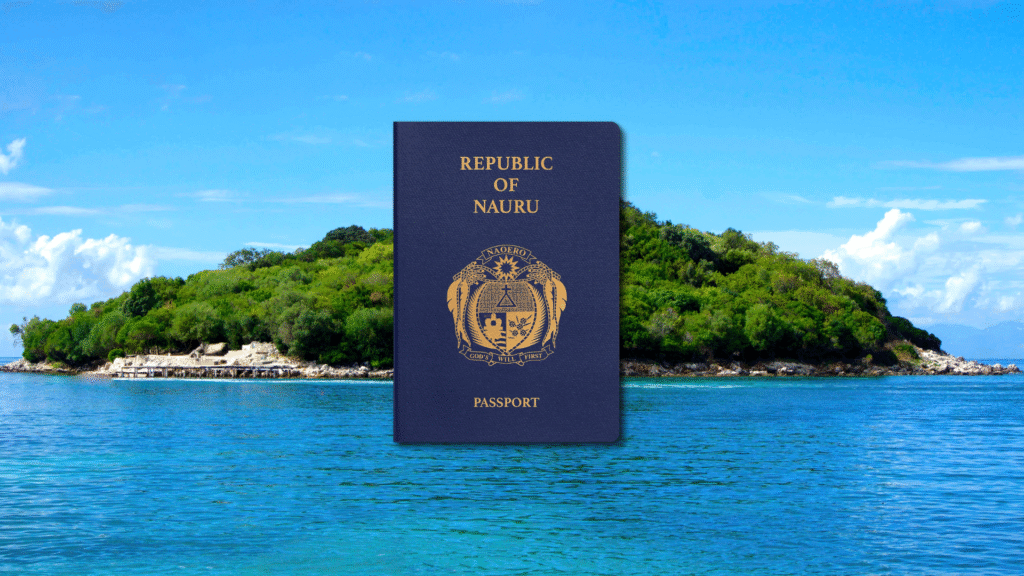
Understanding Nauru and Its Citizenship Framework
Nauru, known for its phosphate mining history and stunning landscapes, has a rich cultural heritage that attracts visitors from around the world. With a population of just over 10,000 residents, Nauru’s citizenship framework is structured around the concepts of belonging and community.
Citizenship in Nauru is governed by the Nauru Citizenship Act, which outlines the pathways for individuals to become citizens of the Republic. The Act emphasizes that citizenship is primarily based on birth, descent, and grant.
Eligibility for Nauru Citizenship
There are several ways in which an individual may acquire Nauruan citizenship:
1. **By Birth**: Any person born in Nauru after January 1, 1968, is eligible for citizenship if at least one parent is a citizen of Nauru. This principle largely emphasizes the importance of familial ties in relation to citizenship.
2. **By Descent**: Children born outside of Nauru to Nauruan citizens are also entitled to claim citizenship by descent, reflecting the country’s commitment to extending its citizenship rights across borders.
3. **Naturalization**: Foreigners wishing to become citizens of Nauru can apply for naturalization. However, the process is stringent. Applicants must meet specific residency requirements, usually living in Nauru for at least five years before petitioning for citizenship.
4. **By Marital Union**: Foreigners who marry Nauruan citizens may be eligible for citizenship after residing in the country for a set period, usually three years, and fulfilling other requirements.
Each of these pathways comes with its own set of documents, conditions, and criteria that applicants must satisfy.
The Application Process
Navigating the application process for Nauruan citizenship can be intricate, requiring attention to detail and adherence to specific guidelines. Here’s a step-by-step overview:
1. **Gather Necessary Documents**: Collect all required documentation, such as birth certificates, identification, proof of residency, and any relevant marriage certificates.
2. **Submit an Application**: Applications for citizenship should be submitted to the Department of Home Affairs in Nauru. Forms can typically be obtained from their office or official website.
3. **Interview Process**: Applicants may be required to attend an interview as part of the assessment of their application. This interview could focus on an individual’s ties to Nauru, understanding of the country’s culture, and intent regarding their life in Nauru.
4. **Await Decision**: After the submission of the application and completion of the interview where applicable, applicants must wait for a decision. The processing times can vary significantly depending on the specific circumstances of each application.
5. **Oath of Allegiance**: Upon acceptance, new citizens must take an oath of allegiance to Nauru, affirming their commitment to the values and laws of the nation.
Benefits of Nauru Citizenship
Gaining Nauruan citizenship presents various benefits:
1. **Right to Stay and Work**: Citizens enjoy the right to reside in Nauru indefinitely and are allowed to take up employment without the need for additional work permits.
2. **Access to Education and Healthcare**: Citizens have access to public education and healthcare services, ensuring that they can provide for themselves and their families.
3. **Participation in Governance**: Citizenship grants the right to vote and participate in Nauru’s political processes, allowing individuals to influence government decisions.
4. **Cultural Heritage**: As a citizen of Nauru, individuals become part of the rich cultural tapestry of the island, experiencing events and customs that are significant to the Nauruan identity.
Challenges Faced by Applicants
While the process may sound straightforward, potential applicants may encounter a range of challenges:
1. **Complex Bureaucracy**: The review and documentation process can be time-consuming and complicated, often requiring patience and persistence.
2. **Cultural Integration**: Understanding and integrating into Nauruan culture can be challenging, especially for those unfamiliar with the country’s customs and social dynamics.
3. **Resource Limitations**: Given Nauru’s small size and limited resources, applicants might face delays in processing times and limited access to government services.
Conclusion
Nauru citizenship offers a unique opportunity to individuals seeking a new life in a peaceful island nation. The benefits of citizenship, coupled with the deep cultural roots of the country, make the prospect of acquiring citizenship an appealing option for many. However, navigating the application process requires careful preparation and an understanding of the requirements.
For those interested in this journey, being well-informed is crucial. Exploring resources such as naurucitizenship.net/ can provide additional insights into the steps and requirements involved in obtaining Nauruan citizenship.
In summary, whether through birth, descent, naturalization, or marriage, Nauru’s citizenship pathways reflect its values of community and familial bonds. Understanding these nuances allows potential citizens to make informed decisions about their future in this idyllic Pacific nation.