
How to Deal With Alcohol Withdrawal Shakes How to Get Through Detox
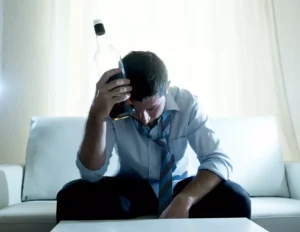
Not everyone who experiences post-drinking tremors will develop DT. However, untreated DT can be dangerous, so a person at risk for DT should see a doctor if they get hangover shakes. The frequency and intensity of your tremors can depend on the severity of your alcohol drinking. After a heavy drinking session, your brain can get used to lower levels of stimulation caused by alcohol’s depressant effects. When you wake up, your brain becomes overwhelmed with activity, triggering tremors and shaking during a hangover.

Delirium Tremens: What Does It Mean?
A deficiency can lead to neurological issues, including peripheral neuropathy and Wernicke-Korsakoff syndrome, both of which can manifest as tremors and shakes. However, these remedies will work only for people who drink occasionally how to stop alcohol shakes or are prone to low blood sugar after drinking alcohol. An involuntary shaking of the hands, legs, or other parts of the body, tremors are caused by a temporary or permanent impairment in the cerebellum and motor cortex.
If I’m Shaking, Does That Mean I’m An Alcoholic?
Delirium tremens is dangerous, killing as many as 1 out of every 20 people who develop its symptoms. If someone believes they may be experiencing alcohol use disorder or are experiencing tremors regularly, they should speak with a healthcare professional. Several support groups provide help for people with drinking issues. These groups can support individuals during recovery from alcohol abuse. While alcohol shakes are not life threatening, delirium tremens may also cause seizures and may lead to death without appropriate treatment.
How to treat hangover shakes

This is amplified if the alcoholic is abstaining (we’re speaking mostly towards the initial period of detox here). Alcohol is a depressant, meaning it works to suppress the CNS (central nervous system) and lower brain activity. That means, when ingested, alcohol works to lower heart rate, slow the respiratory system, and halt communication between certain neurons.
- One test used to evaluate essential tremor involves drawing a spiral.
- In severe cases, you may experience some symptoms for weeks to months.
- If the effects of essential tremor make it difficult to live your life as fully as you once did, consider joining a support group.
- If your shakes last longer than 24 hours, or if you’re concerned that they might be a sign of withdrawal, it’s best to talk with a healthcare professional as soon as possible.
- While we are unable to respond to your feedback directly, we’ll use this information to improve our online help.
- This cancels the feeling of intoxication produced by alcohol and heightens its negative effects to help prevent relapse.
Remove all alcohol from your home or ask a friend or family member to do it for you. This includes beer, wine, and liquor, as well as products that contain alcohol such as rubbing alcohol and vanilla extract. Keep a list of emergency phone numbers on hand that includes contact info for your doctor, the police, a nearby hospital, and someone you trust. And consider joining a support group such as Alcoholics Anonymous. His work has appeared in publications including The Guardian, Euronews, and VICE UK.
For someone with mild-to-moderate alcohol withdrawal symptoms, outpatient treatment might be the best course of action. Outpatient treatment means you can stay at home during your recovery process, but you must have someone with you at all times who can keep an eye on you and monitor your behavior. For someone with moderate-to-severe alcohol withdrawal symptoms, inpatient treatment will likely be the best option. Inpatient treatment is when you are treated at a hospital or another professional setting that specifically handles alcohol withdrawal.
- We also use different external services like Google Webfonts, Google Maps, and external Video providers.
- Treatment will involve meeting in small groups to discuss how alcoholism negatively impacted one’s life and to share stories and successes with peers under the guidance of a therapist.
- It’s been written about in countless novels, highlighted in many films we know and love, and chances are you’ve experienced AUD (Alcohol Use Disorder) firsthand or through someone close to you.
- Many people with DTs also have dehydration, electrolyte imbalances or mineral deficiencies.
Coping and support
- You’ll also want to eliminate foods and beverages that make you feel jittery.
- Healthcare providers will treat you to stabilize you (unless you have some kind of advance medical directive on file with them).
- When this is the case, your dry cough typically resolves on its own as your illness improves.
- The association between alcohol shakes and DT (a nightmarish withdrawal symptom that can lead to death) boils down to seizures.
- They occur more often in people who use alcohol regularly, which may be due to brain damage from excessive alcohol use.
Because of this, it’s best to talk to your doctor before stopping alcohol use. They can help you set up a plan to manage your alcohol withdrawal symptoms. If you have stopped using alcohol, haven’t talked to your doctor, and think you might be having DTs symptoms, call 911. After withdrawal is complete, it is essential that you not begin drinking again. Alcohol treatment programs are important because they improve your chances of successfully staying off of alcohol. Only about 20 percent of alcoholics are able to abstain from alcohol permanently without the help of formal treatment or self-help programs such as Alcoholics Anonymous (AA).
Medications for Dry Cough
If you have a past experience of withdrawal symptoms, you are likely to have them return if you start and stop heavy drinking again. There are no specific tests that can be used to diagnose alcohol withdrawal. However, treatment strategies for shakes and https://ecosoberhouse.com/article/5-tips-of-how-to-maintain-recovery-motivation/ alcoholism may differ for everyone. Doctors can recommend the most appropriate treatment according to the severity of a person’s withdrawal symptoms and general health conditions. Alcohol shakes are a common and mild symptom of alcohol withdrawal.
Chronic drinkers who abruptly stop drinking typically start experiencing symptoms of alcohol withdrawal within six to eight hours after their last drink. In addition to alcohol shakes, signs of alcohol addiction withdrawal also include profuse sweating, agitation, anxiety, heart palpitations, and nausea that lead to extreme vomiting episodes. Blood and urine tests may also be done to determine the amount of alcohol the person has consumed, as well as any other additional drugs that may be in their system. There is no way to know if you will experience alcohol tremors after drinking, but symptoms usually start around 6 hours after your last drink, which is good to keep in mind.